My Workflow for Understanding LLM Architectures

TL;DR · AI 摘要
作者分享了一种理解大型语言模型架构的手动学习流程,强调了从官方技术报告到参考实现的重要性。
核心要点
- 从官方技术报告开始,但参考实现更为详细。
- 利用Hugging Face Model Hub和transformers库获取更多信息。
- 手动过程有助于深入理解架构细节。
结构提纲
按章节快速跳转。
思维导图
用一张图看清主题之间的关系。
查看大纲文本(无障碍 / 无 JS 友好)
- 理解LLM架构的学习流程
金句 / Highlights
值得收藏与分享的关键句。
许多人都问我如何制作我文章、演讲和LLM-Gallery中的LLM架构草图和绘图。
如果权重在Hugging Face Model Hub上共享并且模型在Python transformers库中受支持,我们通常可以直接检查配置文件和参考实现来获取更多关于架构细节的信息。
这个工作流程主要是针对开放权重模型的。
My Workflow for Understanding LLM Architectures

A learning-oriented workflow for understanding new open-weight model releases
Apr 18, 2026
Many people asked me over the past months to share my workflow for how I come up with the LLM architecture sketches and drawings in my articles, talks, and the LLM-Gallery. So I thought it would be useful to document the process I usually follow.
The short version is that I usually start with the official technical reports, but these days, papers are often less detailed than they used to be, especially for most open-weight models from industry labs.
The good part is that if the weights are shared on the Hugging Face Model Hub and the model is supported in the Python transformers library, we can usually inspect the config file and the reference implementation directly to get more information about the architecture details. And “working” code doesn’t lie.
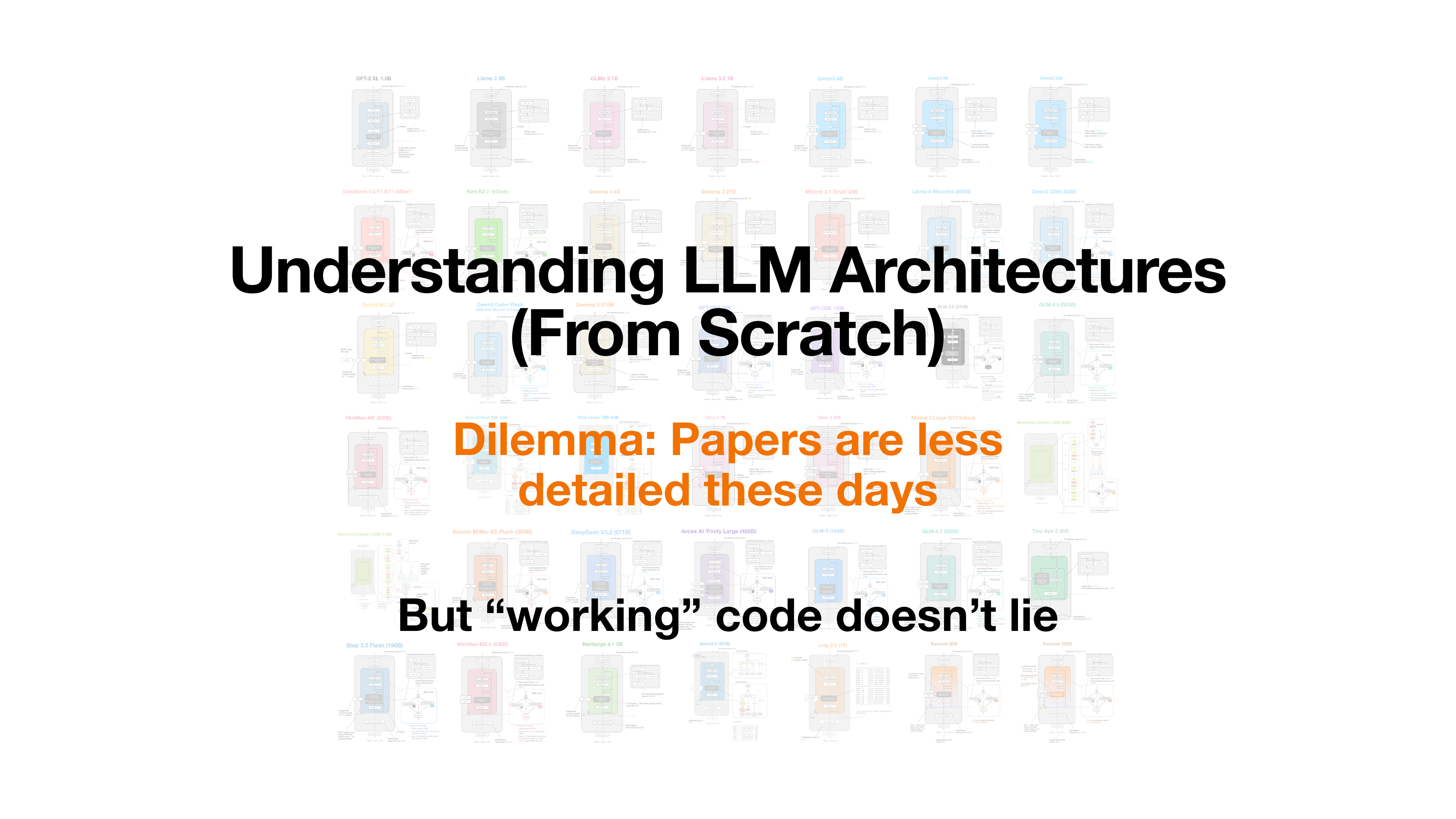
Figure 1: The basic motivation for this workflow is that papers are often less detailed these days, but a working reference implementation gives us something concrete to inspect.
I should also say that this is mainly a workflow for open-weight models. It doesn’t really apply to models like ChatGPT, Claude, or Gemini, where the weights and details are proprietary.
Also, this is intentionally a fairly manual process. You could automate parts of it. But if the goal is to learn how these architectures work, then doing a few of these by hand is, in my opinion, still one of the best exercises.
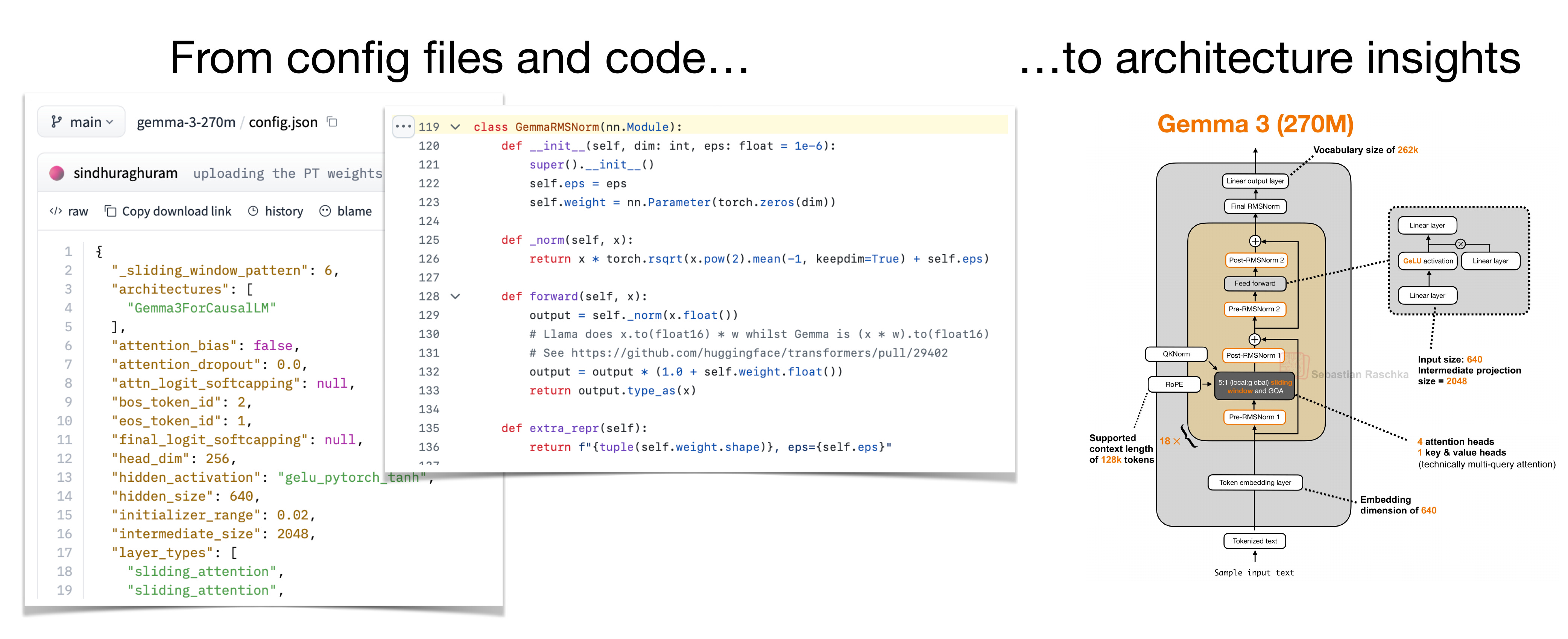
Figure 2: At a high level, the workflow goes from config files and code to architecture insights.